


 Make Payment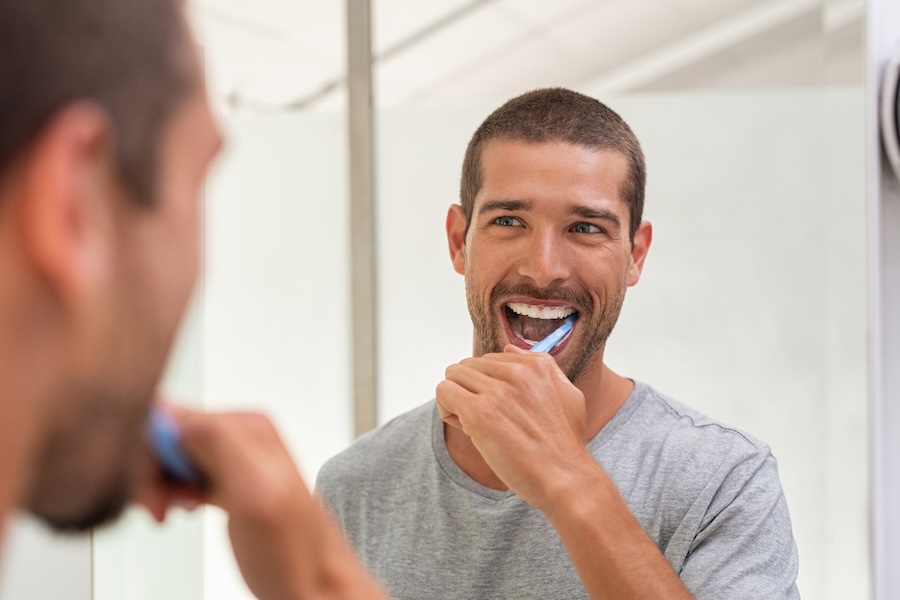
Better Dental Routines for the New Year
January 23, 2026 9:00 amA new year is a nice moment to rethink routines, and your dental care is one place where small, practical changes can pay off over time. You don’t need complicated regimens — just a few realistic habits that fit into your life and help you avoid common problems down the road.
Here are simple, useful ways to make your dental routine stronger in 2026 — no pressure, no jargon, just things that actually help your teeth and gums stay healthier.
- Gums that bleed more than they used to
- Chewing that feels uneven or tender
- Teeth that suddenly feel sensitive to cold or sweets
- A rough spot on a filling or crown
- Remove hardened buildup you can’t reach at home
- Check for early signs of decay or gum irritation
- Update recommendations based on how your mouth has changed
- Answer questions about products or habits that fit your needs
Brush More Thoughtfully — But Keep It Simple
Brushing twice a day is something most people already know they should do. Instead of making it feel technical or stressful, think of brushing as clearing away what built up since the last time you brushed.
Use a soft bristled brush and move in circular motions over all surfaces — the fronts, backs, and tops of your teeth. You don’t need fancy motions; just be sure you’re not rushing or skipping spots because you’re running late. Two minutes is a good target because it gives you time to cover everything without feeling rushed.
If you wake up and find your mouth feels gritty or coated, give it a good brushing in the morning before anything else — it sets the tone for the day.
Get Between the Teeth Every Day — It Helps More Than You Realize
A toothbrush can’t reach the tight spaces between teeth, and that’s exactly where plaque likes to settle. Flossing — or using interdental brushes — removes that buildup before it starts irritating your gums or making bad breath worse.
If string floss feels clumsy, floss picks or a water flosser can make it easier. The important thing is that you do it regularly, not that you master a pro‑level technique.
Rinse With Water After Meals When You Can’t Brush
You don’t need a special mouthwash after every meal, but finishing a snack or drink with a quick rinse with plain water clears away food particles and reduces the amount of time sugars and acids sit on your teeth.
This is especially helpful midday or at work/school, when brushing just isn’t feasible.
Hydrate — Your Mouth Notices
Saliva is your mouth’s natural cleaner and buffer. When you’re well‑hydrated, saliva helps wash away food and balance acids. When you’re dehydrated — whether from not drinking enough water, medications, or dry environments — your mouth can feel dry, sticky, or more sensitive.
Carrying a water bottle, sipping throughout the day, and drinking a glass of water after coffee or sugary drinks goes a long way toward keeping saliva doing its job.
Watch for Little Changes and Act Early
If something feels a little off — maybe a bit more sensitive than usual, or your bite feels different — it’s worth bringing up. Small changes can be your mouth’s way of flagging something before it becomes a bigger deal. Here are a few things worth watching for:
These don’t always mean something urgent, but they are worth mentioning at your next visit so we can take a look before something develops into a bigger concern.
You don’t need to be perfect — just aware enough to catch patterns.
Snack Wisely — It Helps Even Without Cutting Favorites
It’s not about eliminating treats. It’s about how and when you enjoy them.
Frequent snacking spreads sugar and acids over more of your day, giving bacteria more fuel and exposing enamel to acid more often. Pairing sweets with meals helps — because saliva and chewing in that context help clear food away more quickly — and rinsing with water after a treat helps even more.
You don’t have to avoid anything you enjoy — just think about timing.
Talk With Us About What Works for You
There’s no universal formula for great dental care. Each person’s mouth is a bit different, so things like sensitivity, dry mouth, grinding, and bite issues can change what’s most helpful.
If you find something isn’t working — like certain floss that always feels awkward, or a toothbrush that irritates your gums — mention it. We can talk through alternatives that fit your situation better.
Good care isn’t about doing everything perfectly. It’s about finding what keeps your mouth comfortable, stable, and as problem‑free as possible.
Make Regular Check‑Ins Part of the Plan
Routine checkups do more than just keep your teeth polished. They give your dentist a chance to spot early signs of trouble, answer your questions, and help keep things running smoothly before anything starts to hurt.
At a routine visit, we:
And a practical tip: dental offices in Austin can fill up weeks in advance, so if you have a few days that work best for you later in the year, don’t hesitate to schedule ahead.
Better Dental Routines for the New Year — From Balcones Family Dental in Austin, TX
Improving your dental routine for 2026 doesn’t have to be complicated. It’s about adding a few habits that work with your everyday life, noticing changes early, and using your regular dental visits as tune‑ups — not emergencies.
If you’re unsure where to start or want help tailoring your routine, Dr. Ross Maddox, Dr. Ahmed Sharaf, and Dr. Christopher Glecos at Balcones Family Dental are here to talk it through. We’ll look at how your mouth is doing, what’s working already, and what small changes could make your smile feel healthier this year.
 Schedule Appointment
 Categorized in: Dental Tips, Oral Hygiene